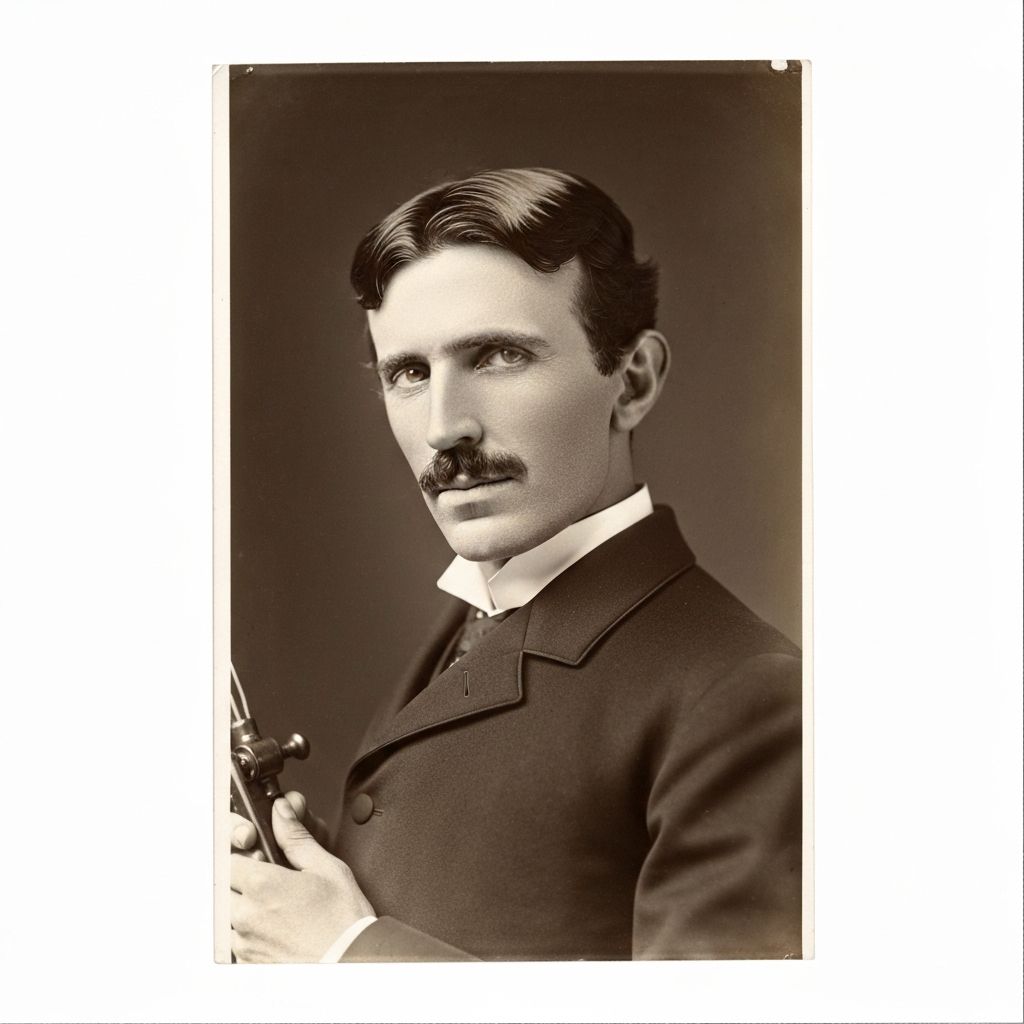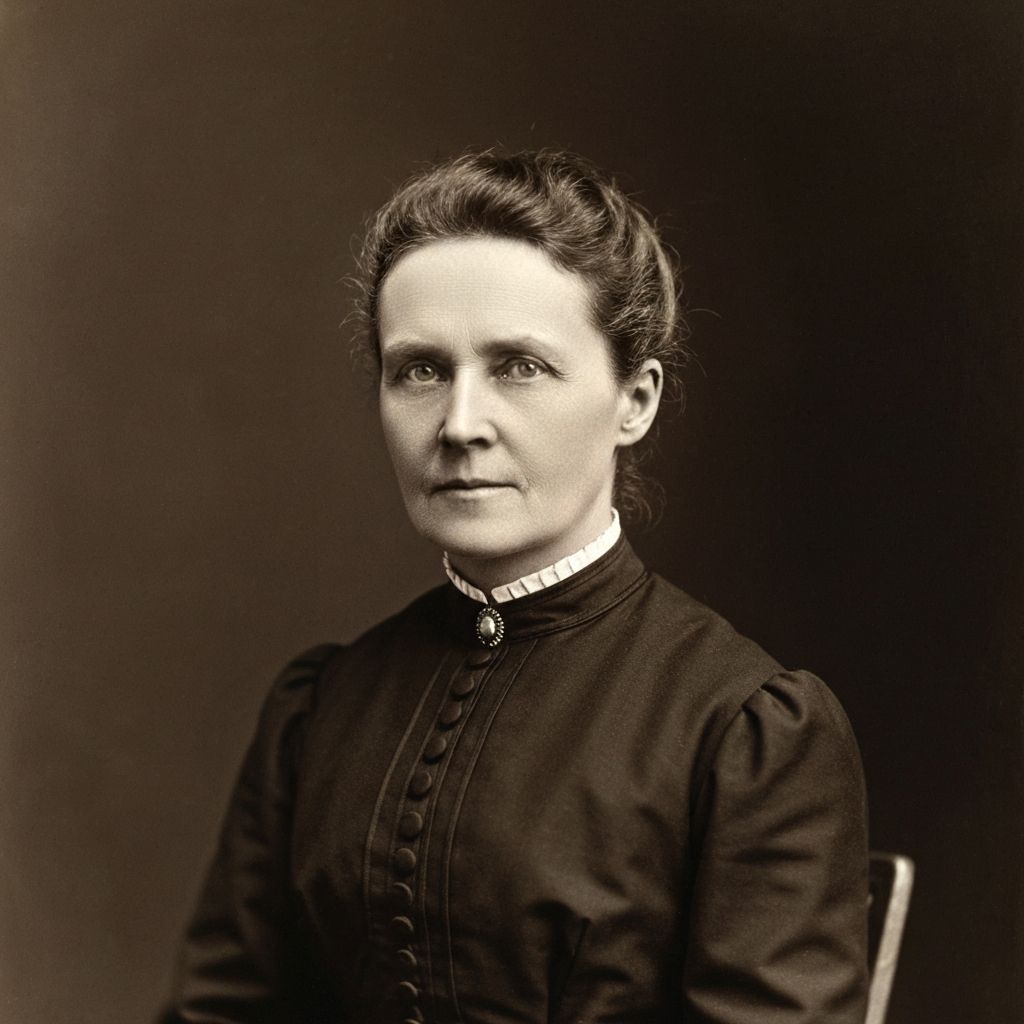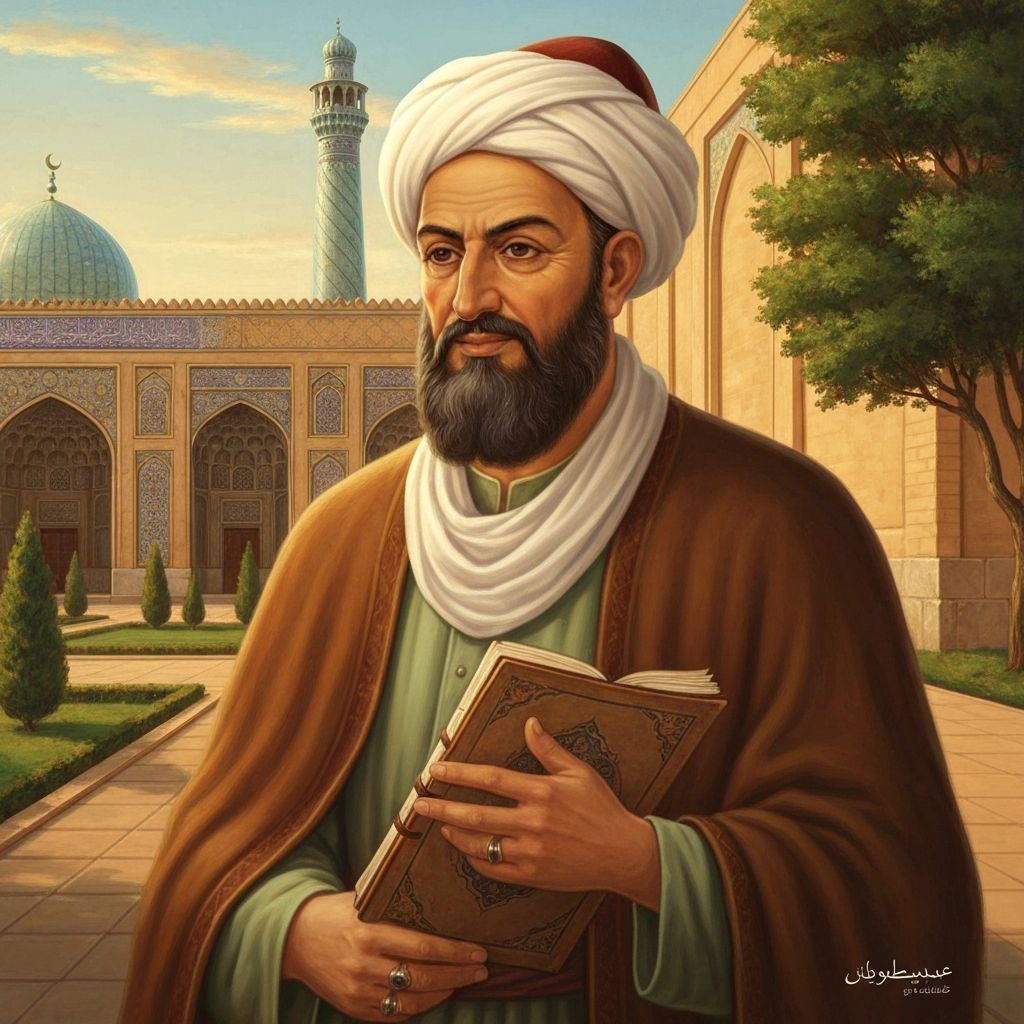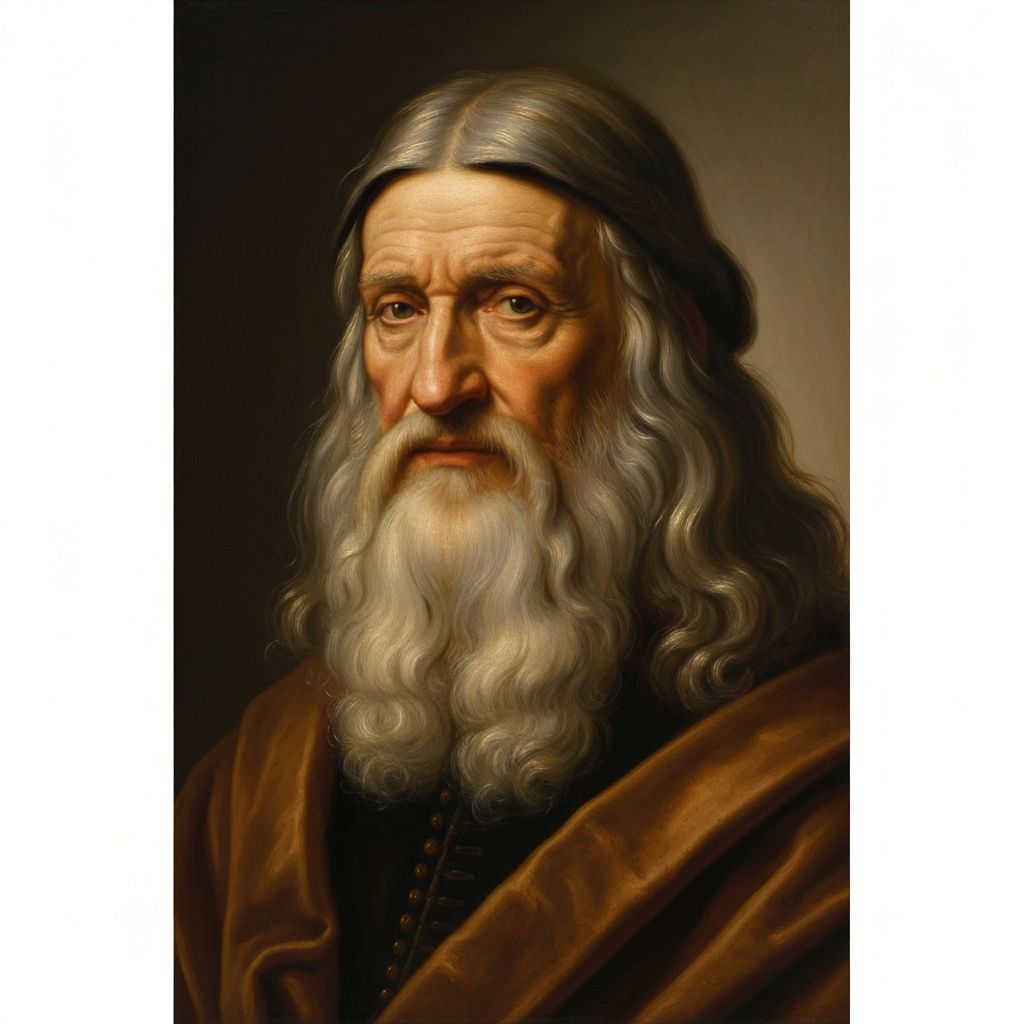
Leonardo da Vinci
1452-1519
The Renaissance Man
Created the Mona Lisa while simultaneously designing flying machines and mapping human anatomy
"Study without desire spoils the memory, and it retains nothing that it takes in."
Loading...
Discover the principles, methodology, and wisdom of history's greatest multidisciplinary minds. Unlock your full intellectual potential across science, art, philosophy, and beyond.
The Numbers Speak
Historical Polymaths
Core Principles
Learning Paths
Free & Open
Study the science of art. Study the art of science. Develop your senses — especially learn how to see. Realize that everything connects to everything else.
These core principles unite history's greatest polymaths, from Leonardo da Vinci to Benjamin Franklin. Master these, and you'll be on the path to polymathy.
Ready to dive deeper into each principle?
Learn from the masters who defied the boundaries of single disciplines and shaped the course of human knowledge.

1452-1519
The Renaissance Man
Created the Mona Lisa while simultaneously designing flying machines and mapping human anatomy
"Study without desire spoils the memory, and it retains nothing that it takes in."


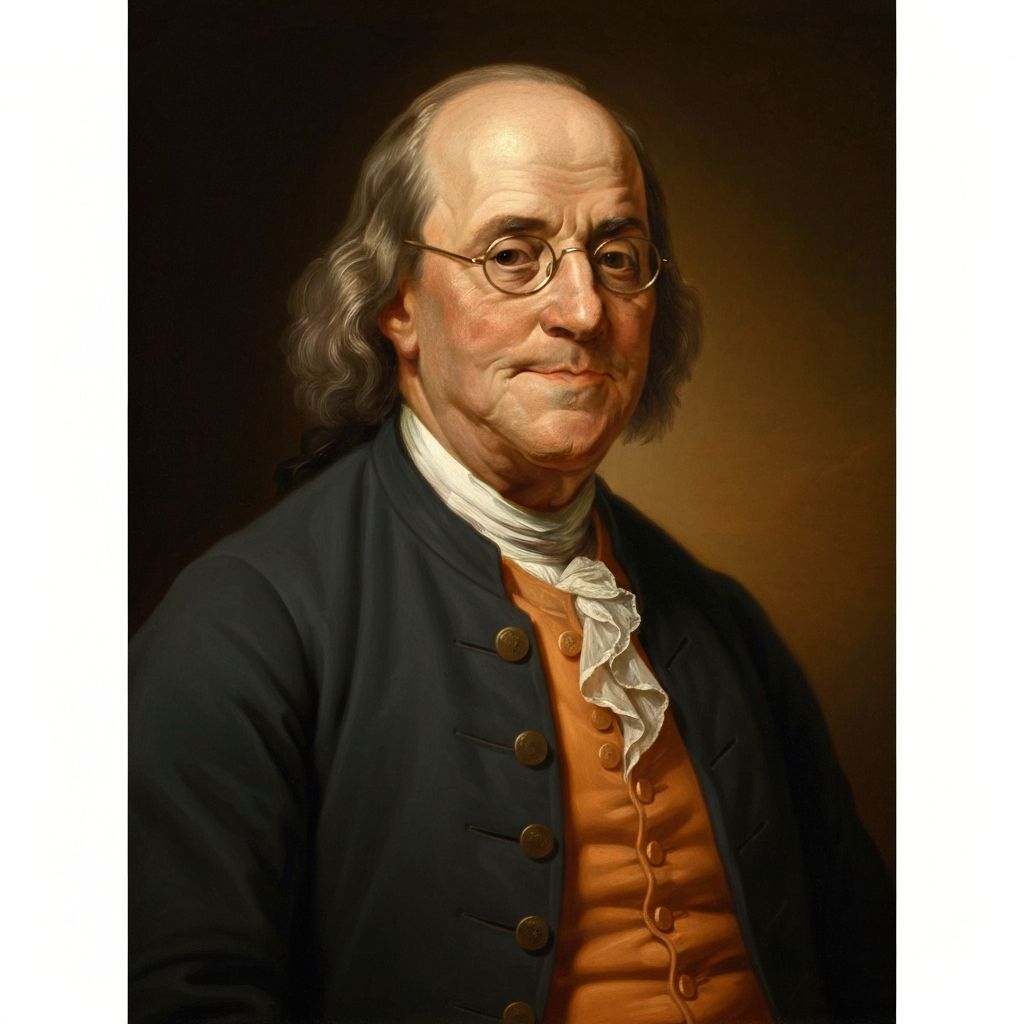
1706-1790
America's First Polymath
Discovered the nature of electricity, founded the first public library, and helped draft the Declaration of Independence
"An investment in knowledge pays the best interest."

1098-1179
The Sibyl of the Rhine
Composed over 70 musical works while writing treatises on natural history and medicine
"Dare to declare who you are. It is not far from the shores of silence to the boundaries of speech."

1856-1943
The Visionary Inventor
Revolutionized electrical power with AC current and envisioned wireless communication decades before it existed
"The present is theirs; the future, for which I really worked, is mine."

1867-1934
Pioneer of Radioactivity
First woman to win a Nobel Prize, and the only person to win Nobel Prizes in two different sciences
"Nothing in life is to be feared, it is only to be understood."

980-1037
The Father of Early Modern Medicine
Wrote over 450 works; his Canon of Medicine was the standard medical text in Europe for 500 years
"The knowledge of anything, since all things have causes, is not acquired or complete unless it is known by its causes."
Becoming a polymath isn't about innate genius—it's about employing effective strategies. These proven frameworks will accelerate your journey.
Explore how different disciplines connect and inform each other
Develop deep expertise in one core domain (the vertical bar) while maintaining broad knowledge across many fields (the horizontal bar). This creates a strong foundation with expansive reach.
Named after physicist Richard Feynman, this technique forces deep understanding by requiring you to explain complex concepts in simple terms. If you can't explain it simply, you don't understand it well enough.
Instead of focusing on one skill at a time (blocked practice), mix different subjects and skills in your learning sessions. This builds stronger neural connections and improves transfer of knowledge.
Dedicate structured time to multiple disciplines daily, just as Leonardo da Vinci did. Even one focused hour per day in a new field can lead to remarkable progress over months and years.
Create projects that require knowledge from multiple disciplines. This forces integration, reveals knowledge gaps, and produces tangible artifacts that demonstrate your polymathic thinking.
Everything you need to begin and sustain your polymathic path. All resources are free and open for everyone.
Answers to the most common questions about polymathy and the polymathic path.
Have a question not answered here? Start a discussion on our GitHub or ask our AI mentor using the chat button.
The path to polymathy is open to everyone. Whether you dedicate an hour a day or reshape your entire approach to learning, the journey itself is transformative.
"The only true wisdom is in knowing you know nothing."