Famous Polymaths
Explore the lives, methods, and achievements of history's greatest interdisciplinary minds. Each figure mastered multiple disciplines — and left a legacy that still shapes how we think.
Throughout history, true polymaths have been extraordinarily rare — perhaps one per generation globally. Yet their outsized impact on human civilization has been immeasurable. Today, with digital tools accelerating cross-disciplinary learning, the polymath path is more accessible than ever. Begin your own journey.
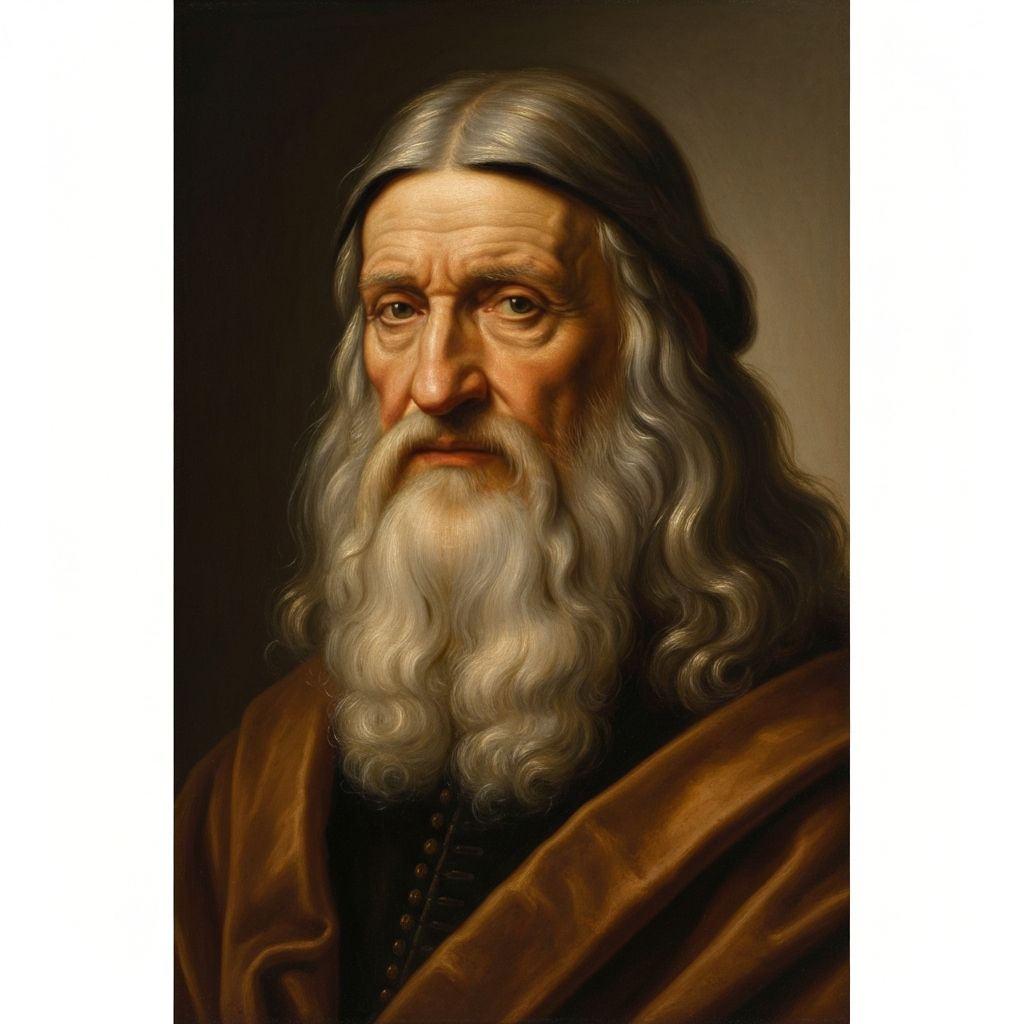
The quintessential Renaissance polymath whose genius spanned art, science, engineering, and anatomy.
“Learning never exhausts the mind.”
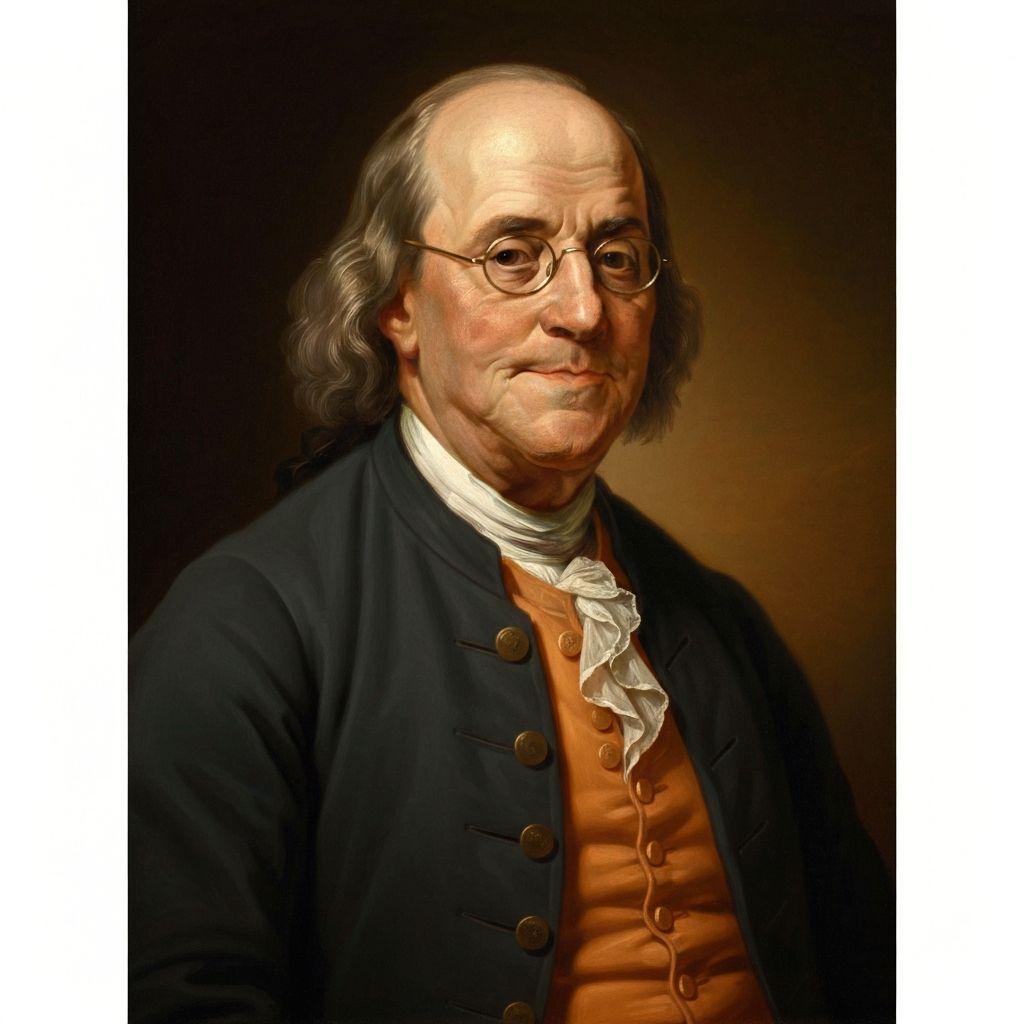
Founding Father who exemplified the Enlightenment ideal through science, invention, and statesmanship.
“An investment in knowledge pays the best interest.”
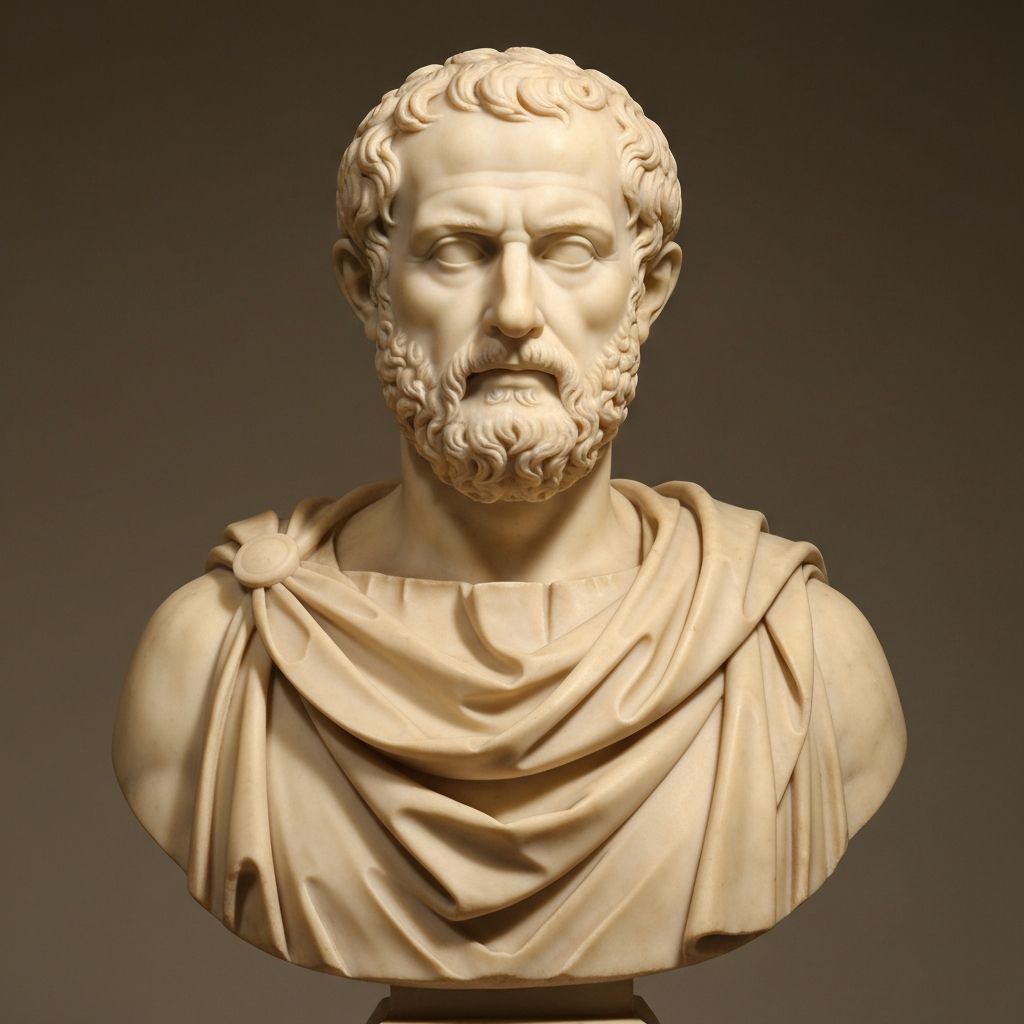
Ancient Greek philosopher whose systematic approach to knowledge influenced Western thought for millennia.
“The whole is greater than the sum of its parts.”
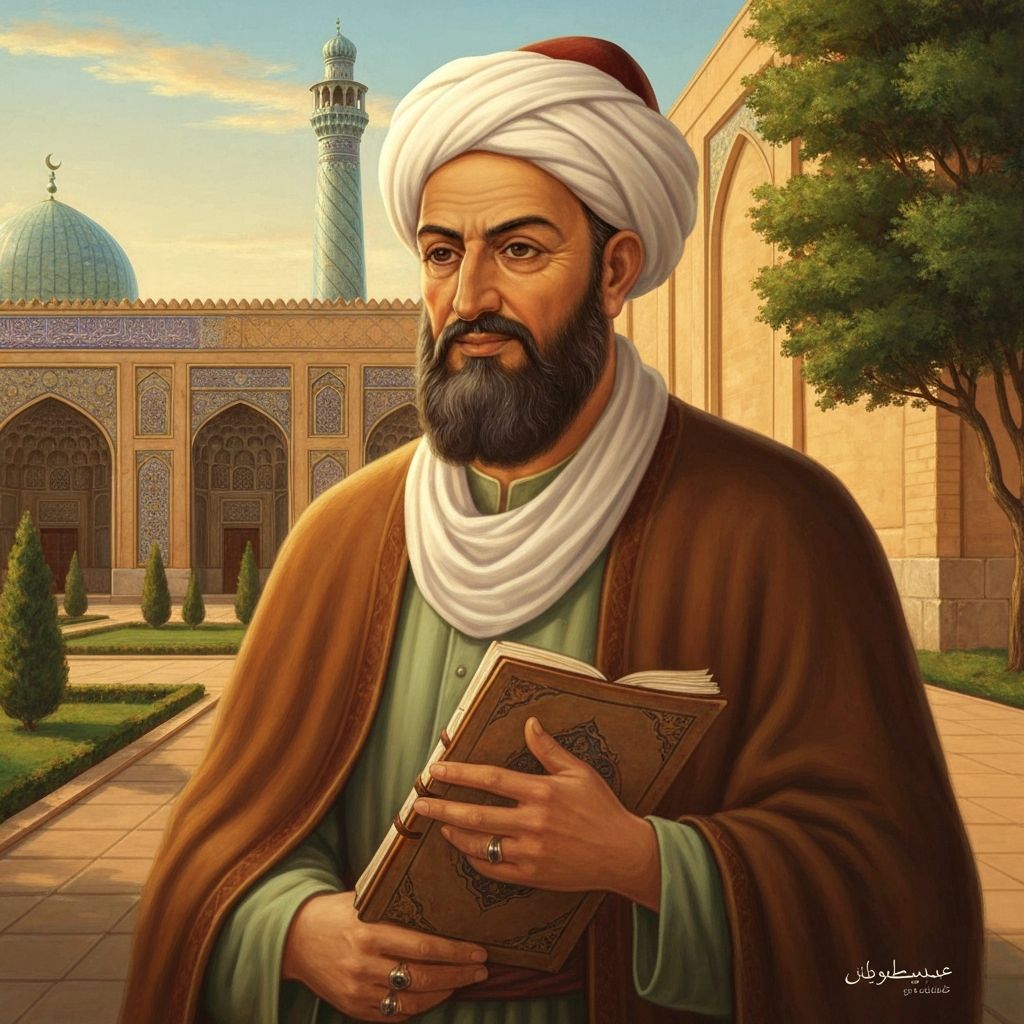
Persian polymath whose medical encyclopedia was the standard text in Europe and the Islamic world for centuries.
“The knowledge of anything, since all things have causes, is not acquired or complete unless it is known by its causes.”
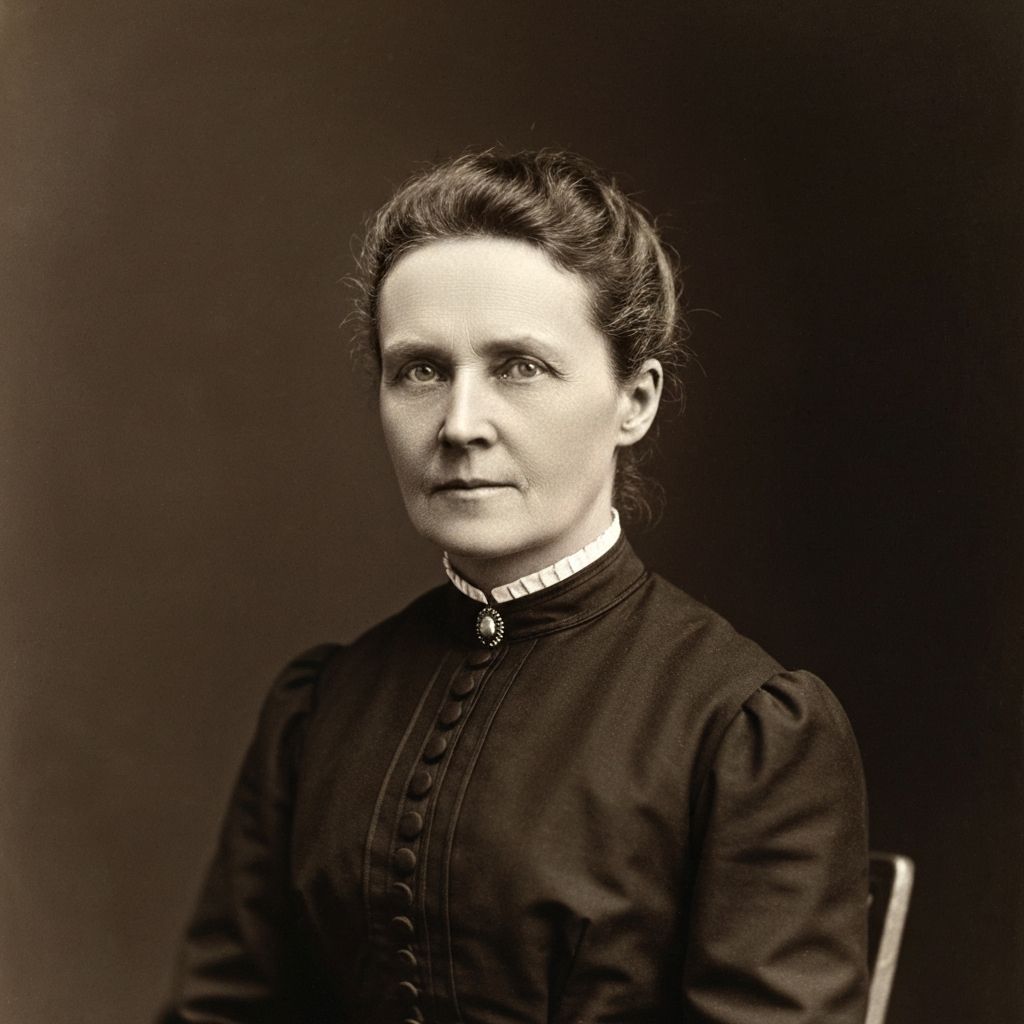
Pioneering physicist and chemist who advanced our understanding of radioactivity and won two Nobel Prizes.
“Nothing in life is to be feared, it is only to be understood.”
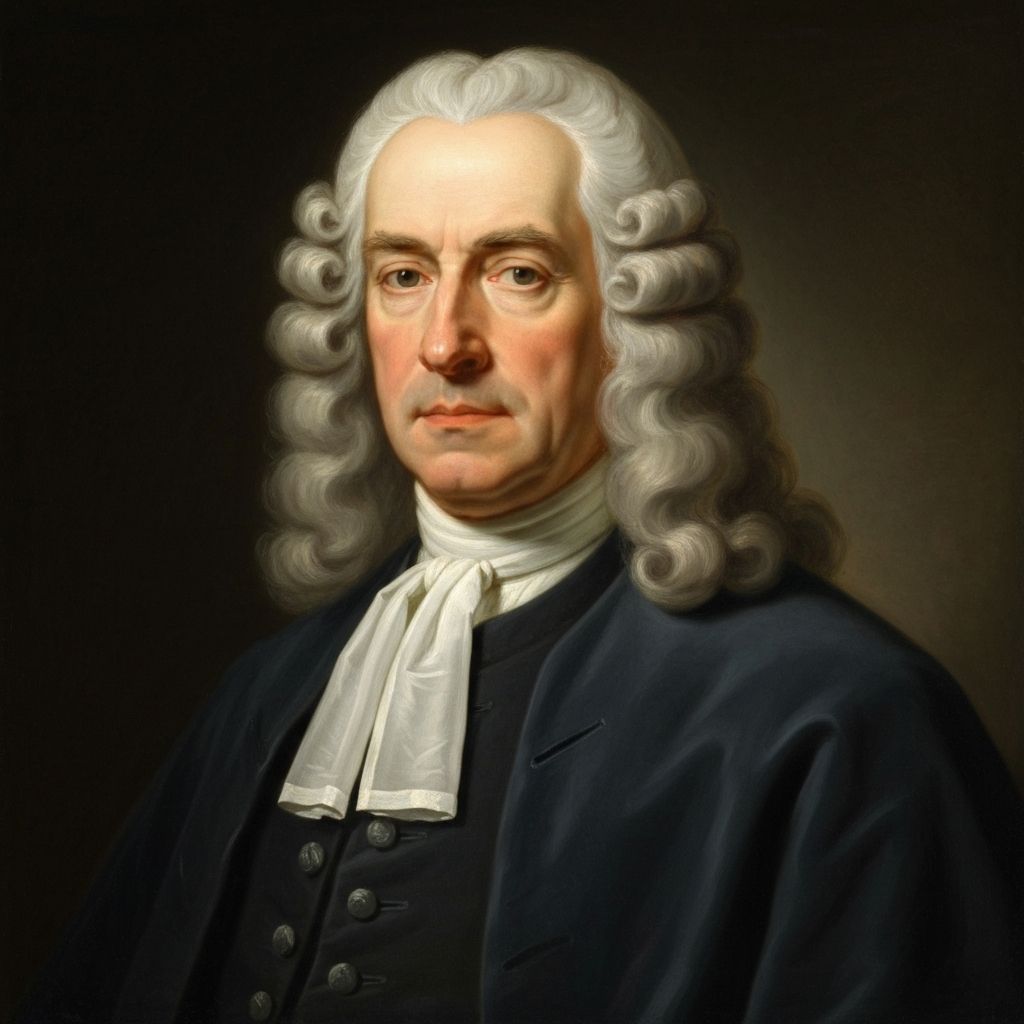
Revolutionary physicist and mathematician whose laws of motion and gravitation defined classical mechanics.
“If I have seen further it is by standing on the shoulders of Giants.”
Ancient Alexandrian mathematician and philosopher who led the Neoplatonic school.
“Reserve your right to think, for even to think wrongly is better than not to think at all.”
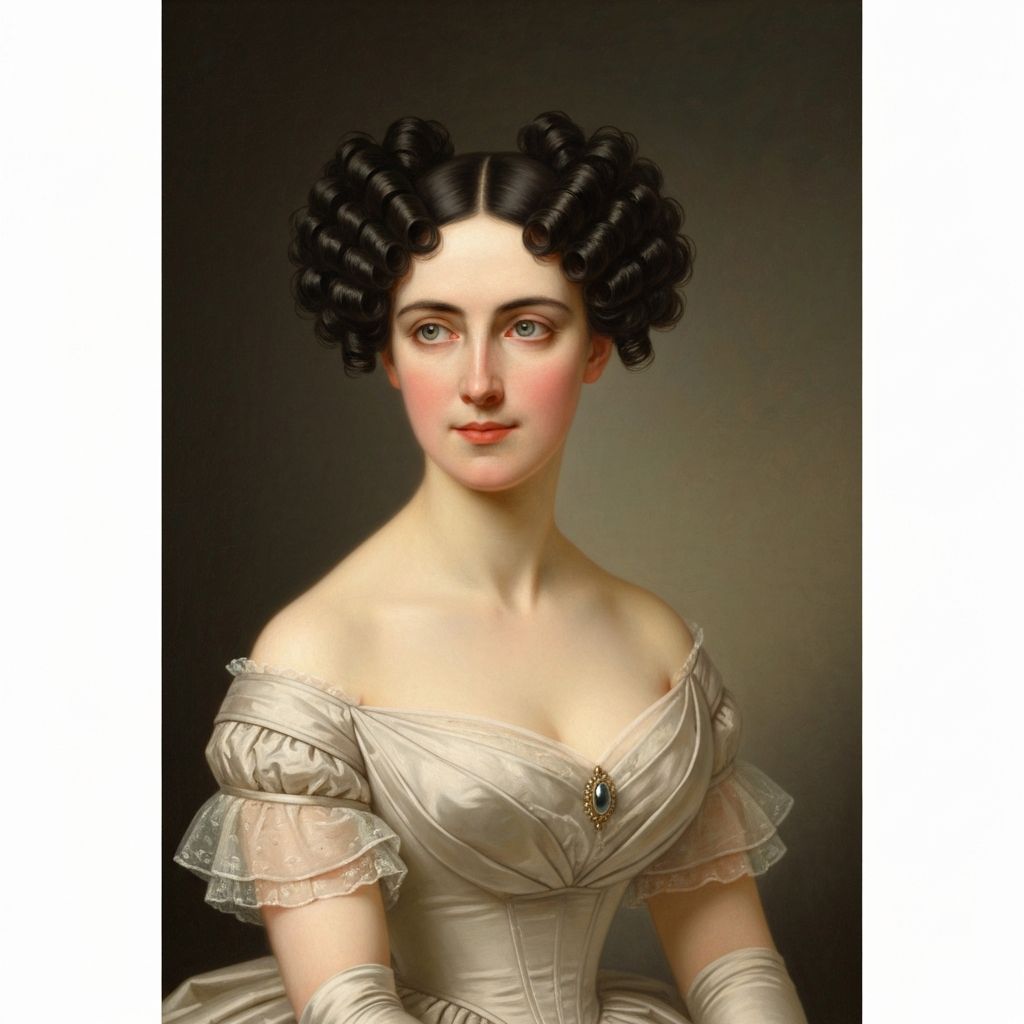
Visionary mathematician who wrote the first algorithm and foresaw the potential of computing.
“The Analytical Engine weaves algebraical patterns just as the Jacquard loom weaves flowers and leaves.”
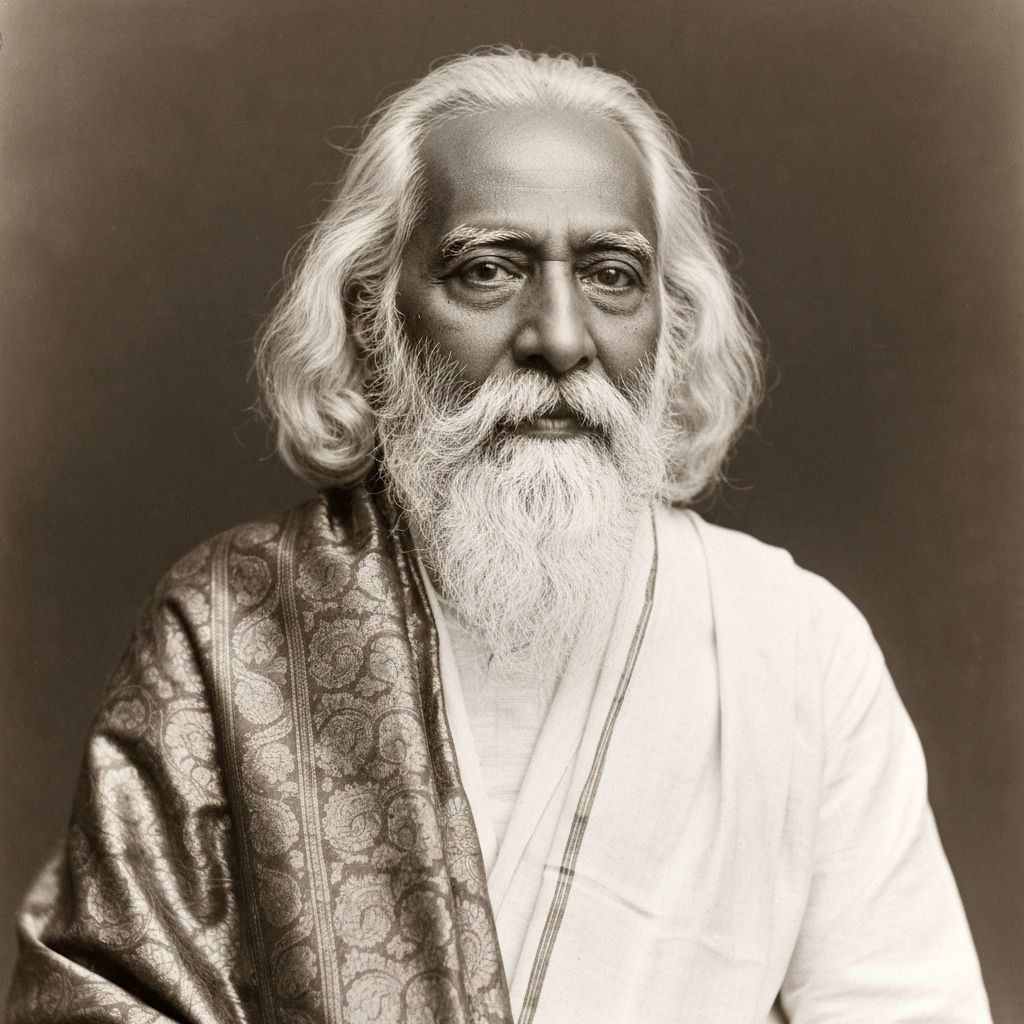
Nobel laureate polymath who reshaped Bengali literature, music, and art while advancing education reform.
“The butterfly counts not months but moments, and has time enough.”
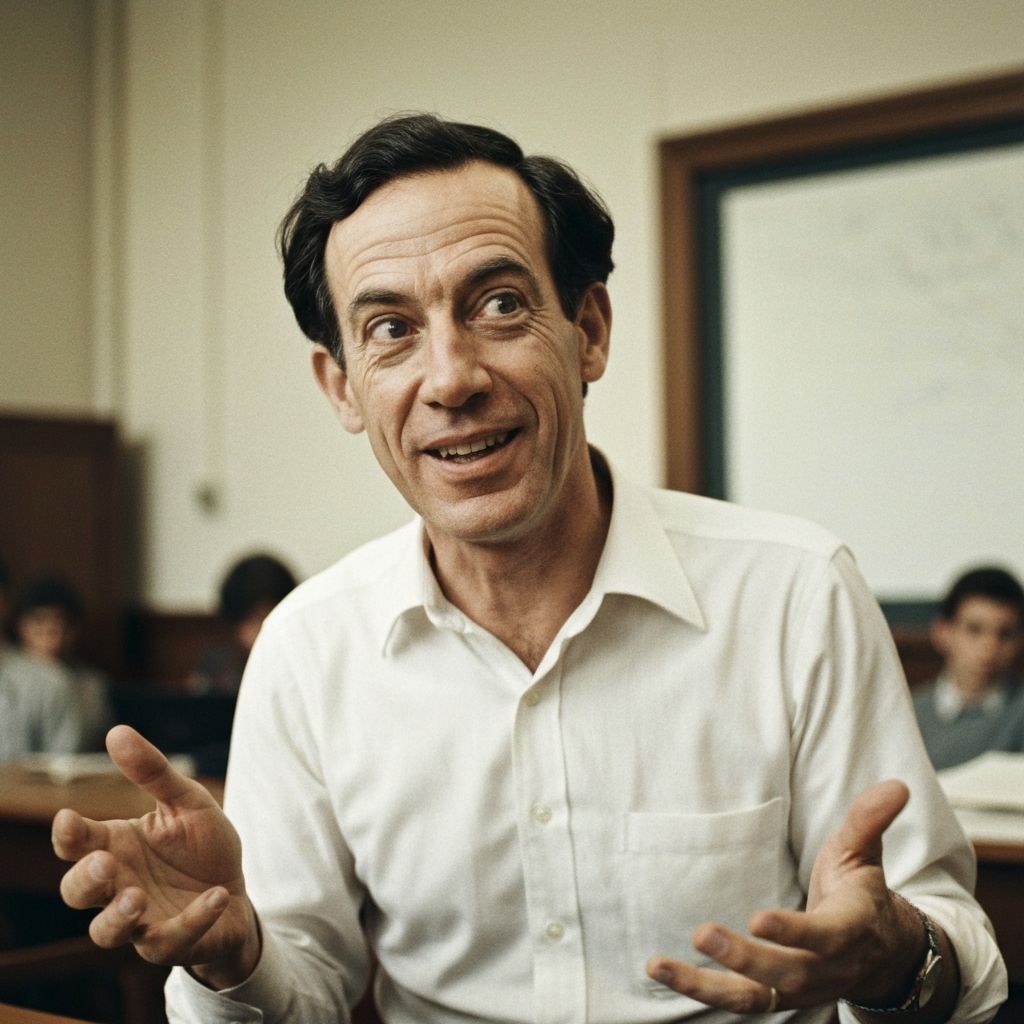
Nobel physicist known for making complex ideas accessible and for his boundless curiosity across fields.
“The first principle is that you must not fool yourself — and you are the easiest person to fool.”

Medieval abbess whose visionary works spanned music, medicine, natural history, and theology.
“Dare to declare who you are. It is not far from the shores of silence to the boundaries of speech.”
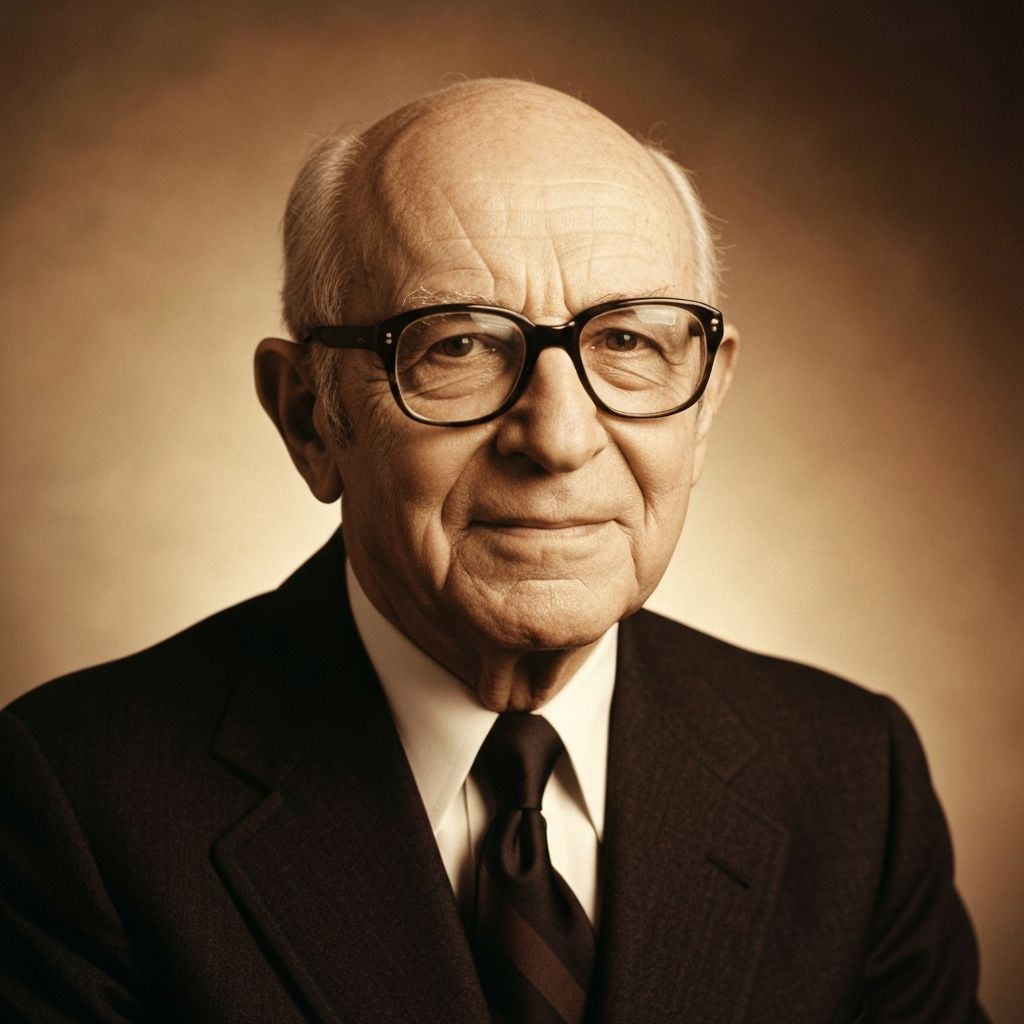
Visionary architect and systems thinker who pioneered geodesic domes and sustainable design.
“You never change things by fighting the existing reality. To change something, build a new model that makes the existing model obsolete.”
Scottish mathematician and scientist who helped popularize science and was the first to be called a "scientist."
“I was conscious that I had never made a discovery myself, that I had no originality.”
Medieval Islamic scholar who made groundbreaking contributions to mathematics, astronomy, and anthropology.
“The stubborn critic would say: What is the benefit of knowing these things?”
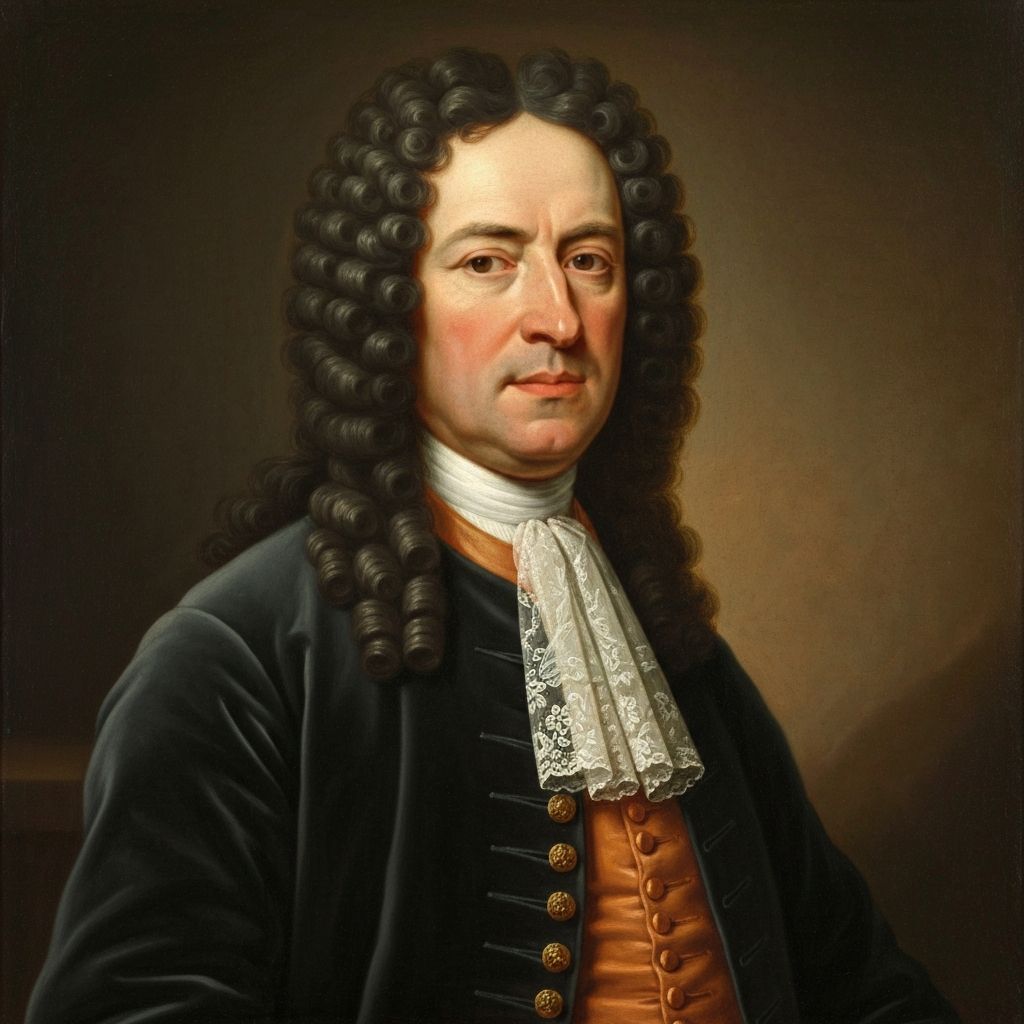
Universal genius who independently developed calculus, binary numbers, and founded symbolic logic.
“We live in the best of all possible worlds.”
Han Dynasty polymath who invented the seismoscope and made major contributions to astronomy and mathematics.
“The sky is like a hen's egg and as round as a crossbow bullet; the earth is like the yolk of the egg.”
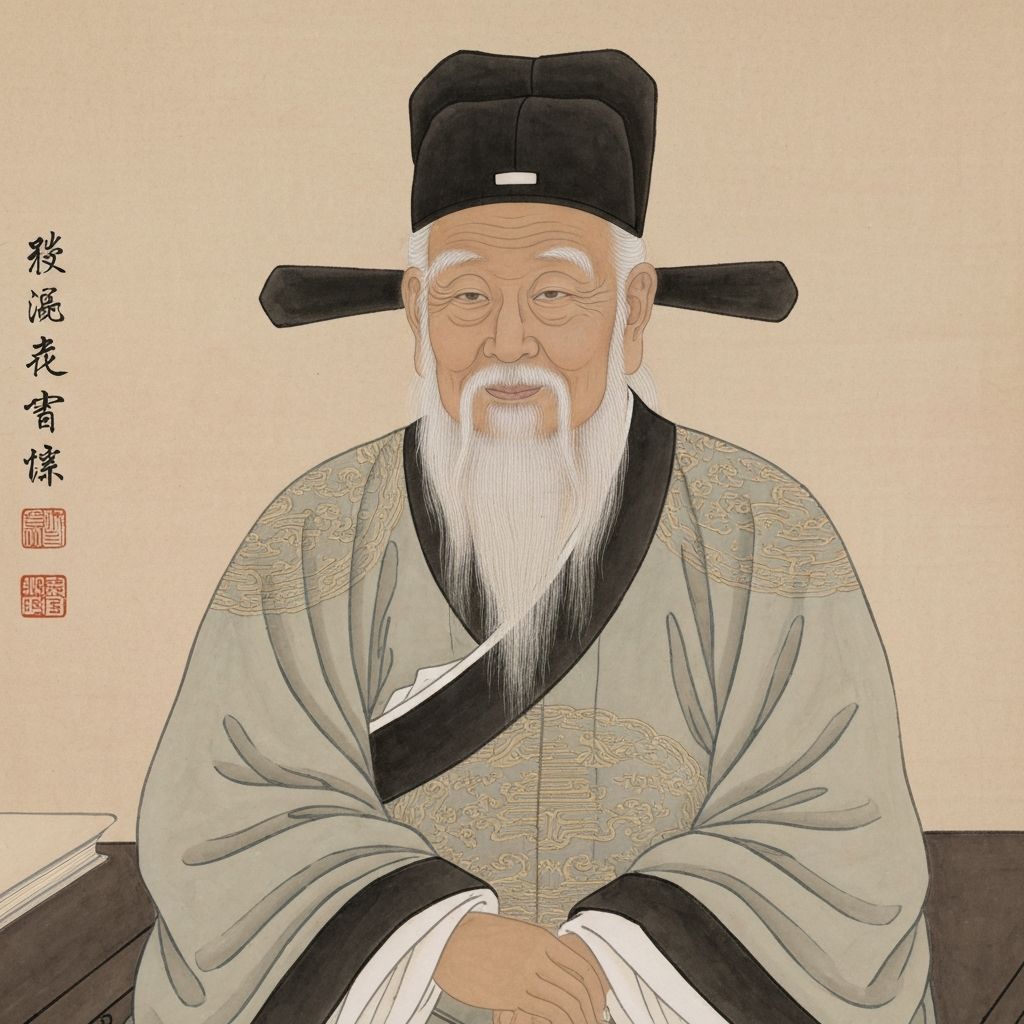
Song Dynasty polymath whose encyclopedic "Dream Pool Essays" documented discoveries across all fields.
“I have only seen that the quantity of books is increasing, but the number of scholars is not increasing.”
Founding Father whose intellectual breadth spanned politics, architecture, science, and education.
“I cannot live without books.”
French polymath who made foundational contributions to mathematics, physics, and philosophy.
“The heart has its reasons which reason knows nothing of.”
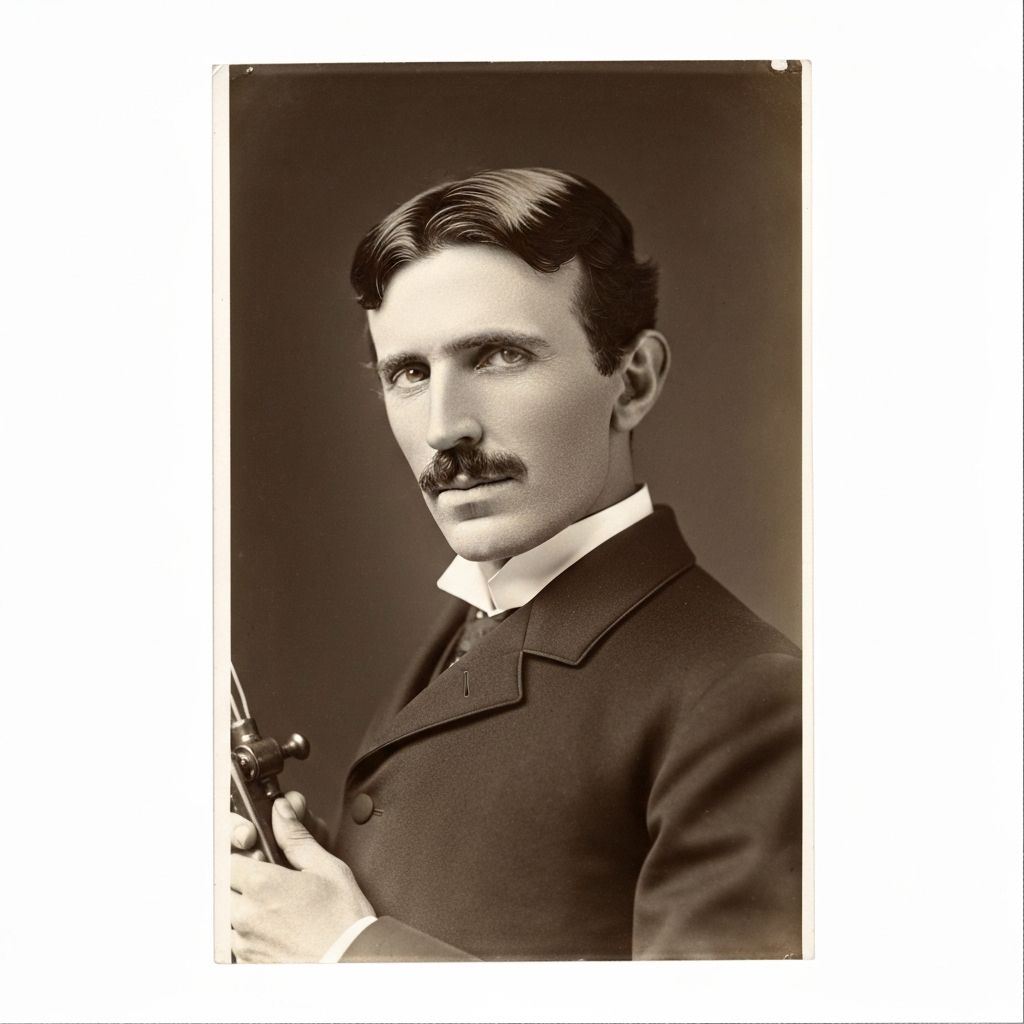
Visionary inventor whose alternating current system powers the modern world.
“The present is theirs; the future, for which I really worked, is mine.”
Learn From the Masters
Each of these figures followed recognizable patterns — deep curiosity, cross-disciplinary synthesis, deliberate practice, and a refusal to accept artificial boundaries between fields. Our core principles distill these patterns into actionable habits, and our learning methodology shows you how to apply them today.